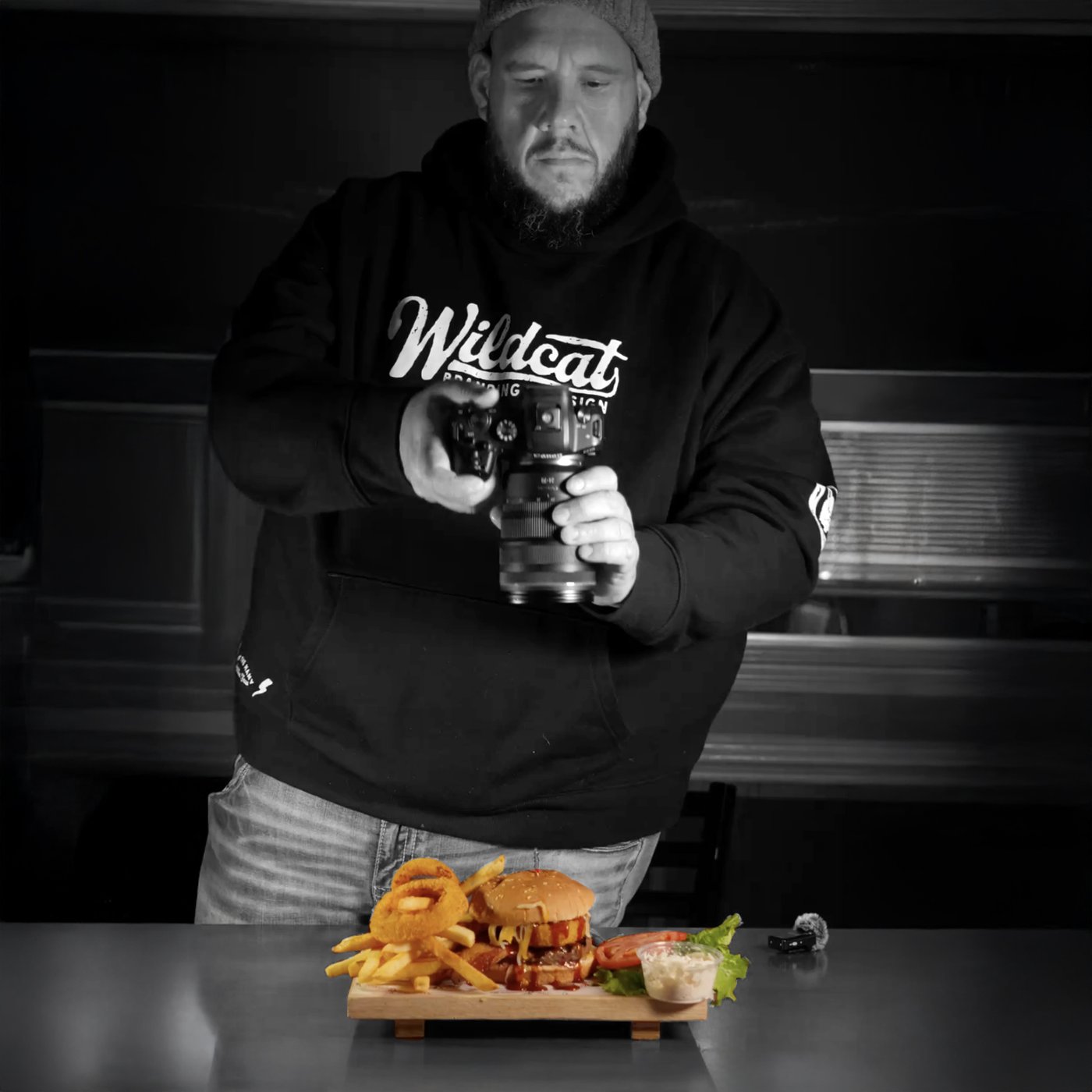
A stranger finds you, taps your photos, and decides in a couple of seconds whether your food is worth leaving the house for. That decision is made entirely on pictures, usually on a small screen, usually in bad lighting, usually while they are already hungry.
Your food is probably better than your photos. Almost everyone's is.
The three photos killing most restaurants
The flash photo taken straight down on a plate in a dim dining room, where the food goes grey and the table looks orange.
The empty dining room at two in the afternoon, which tells a guest nothing except that nobody was there.
The stock photo. People know. They cannot always say how, but they know, and it quietly tells them you are the kind of place that uses stock photos of food you do not make.
What makes food look the way it tastes
Light first, everything else second. Natural light from the side, near a window, with the flash off. Side light gives food texture, which is what makes it read as real and makes you want to eat it. Overhead flash flattens everything and kills it.
Get closer than feels right. Fill the frame. A burger from across the table is a picture of a table.
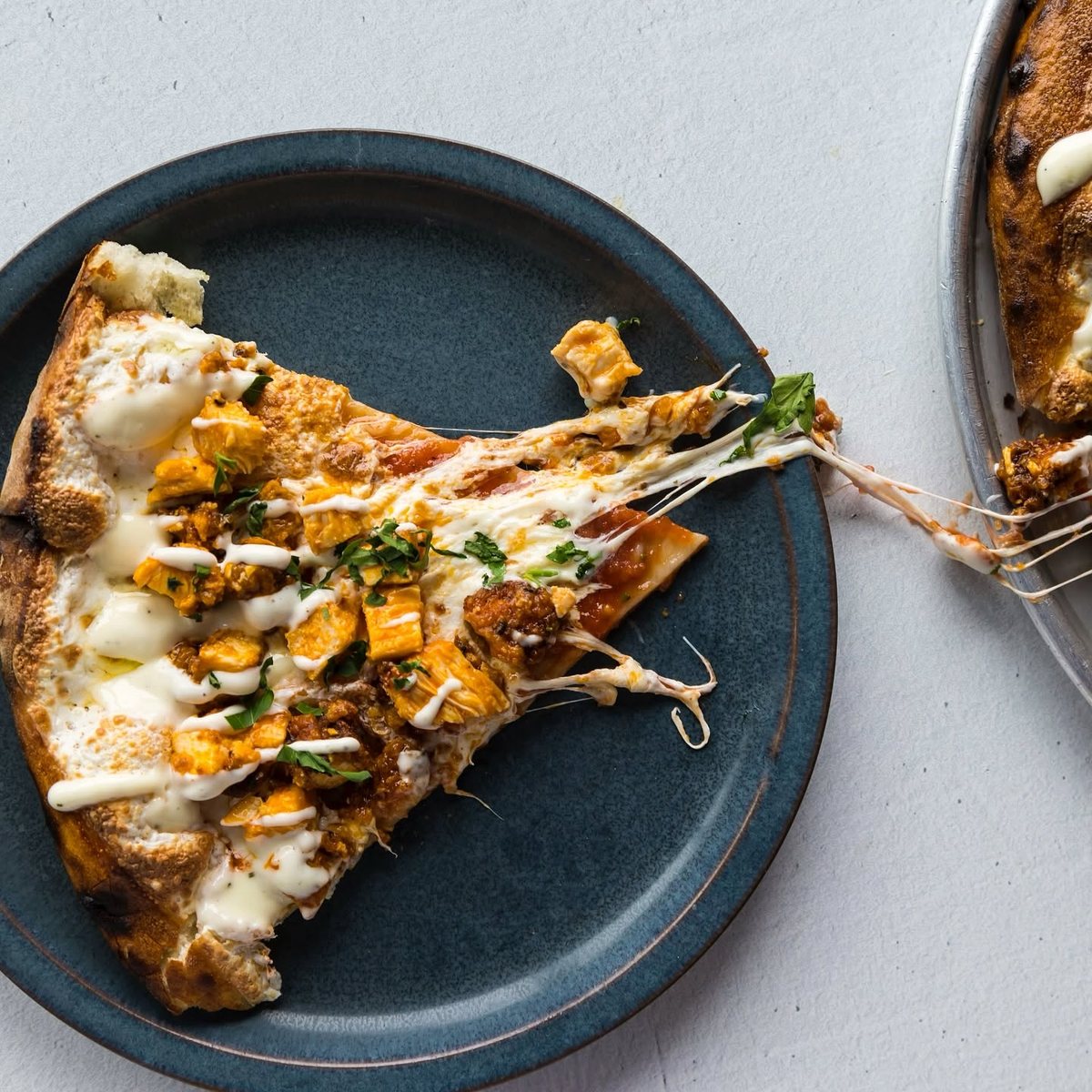
Catch it at the moment it looks alive. Cheese pulling, sauce dripping, steam, the cut that shows the inside. That is the shot people screenshot and send to a friend, which is free advertising you cannot buy.
And shoot the real portion. Which brings up the only rule that really matters.
The photo has to match what arrives
A photo that oversells the plate buys you one order and one disappointed review. That review outlives the photo by years.
Shoot what actually comes out of your kitchen, at the size it comes out. If the plate does not look good enough to photograph honestly, that is kitchen feedback, not a photography problem.
Shoot the heroes, not the whole menu
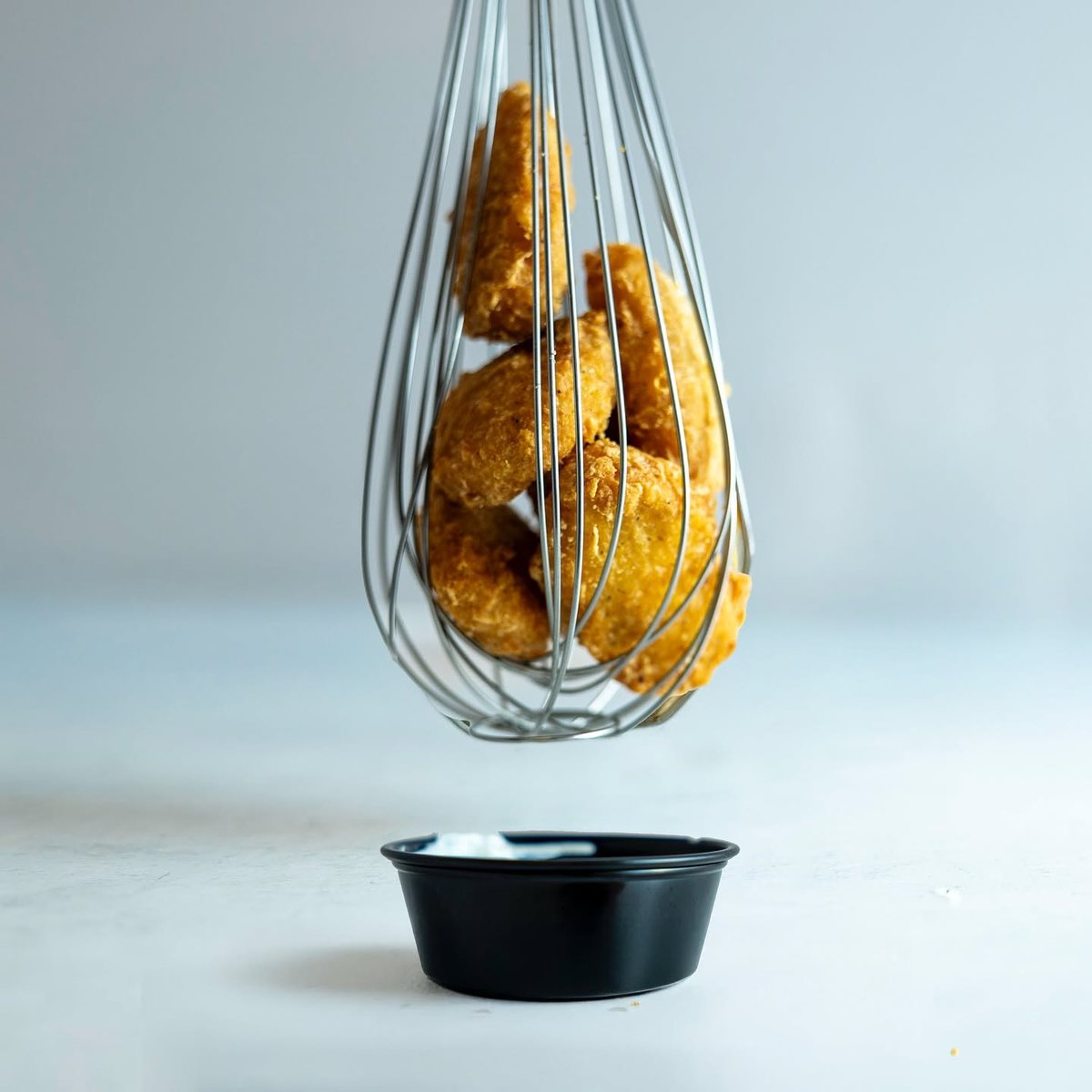
You do not need a photo of all sixty items. You need five excellent photos of the five things you want to be known for, the ones tied to the sentence you want people saying about you.
Those five get used everywhere, for a year: the site, the listing, the posts, the ads, the menu, the truck. That is where the money in a shoot actually is.
What you can do yourself this week
Pick the dish you are best known for. Make it the way you would for a regular. Take it to the window or just outside, flash off, get close, shoot it from slightly above and from the side, twenty frames, pick one.
Wipe the rim of the plate. Check the background for a stack of to-go containers. That is most of it.
A phone in good light beats an expensive camera in bad light, every time. Where a pro earns their money is consistency, so that twelve dishes shot across a year look like they came from the same restaurant, and so the shots work cropped square, vertical and wide without reshooting.
Next: How to fill a slow Tuesday without cutting your prices