Somebody within three miles of you just picked up a phone and typed food near me, or wings near me, or the name of your town plus the thing you sell. Whether you appeared is mostly decided before they ever reach your website.
Owners spend money on the site and leave the free thing broken. Let us do it in the right order.
Your Google listing is the real homepage
The Google Business Profile, the box with your photos, hours and reviews, is where that search ends for most people. They look at the photos, they look at the stars, they tap directions or call. Plenty of them never visit your site at all.
Open yours right now on a phone and look at it the way a stranger would. Most owners find at least one of these wrong: hours that are out of date, a category that says restaurant when it should say the specific thing you are, no menu, or photos from the year you opened taken by somebody else.
Fix the hours first. Nothing costs you more goodwill than a person who drives over on a holiday because the listing said you were open.
Photos and categories do more than you think
Pick the most specific primary category that is true. Pizza restaurant beats restaurant. Add the real secondary ones. That is largely how Google decides which searches you are even eligible for.
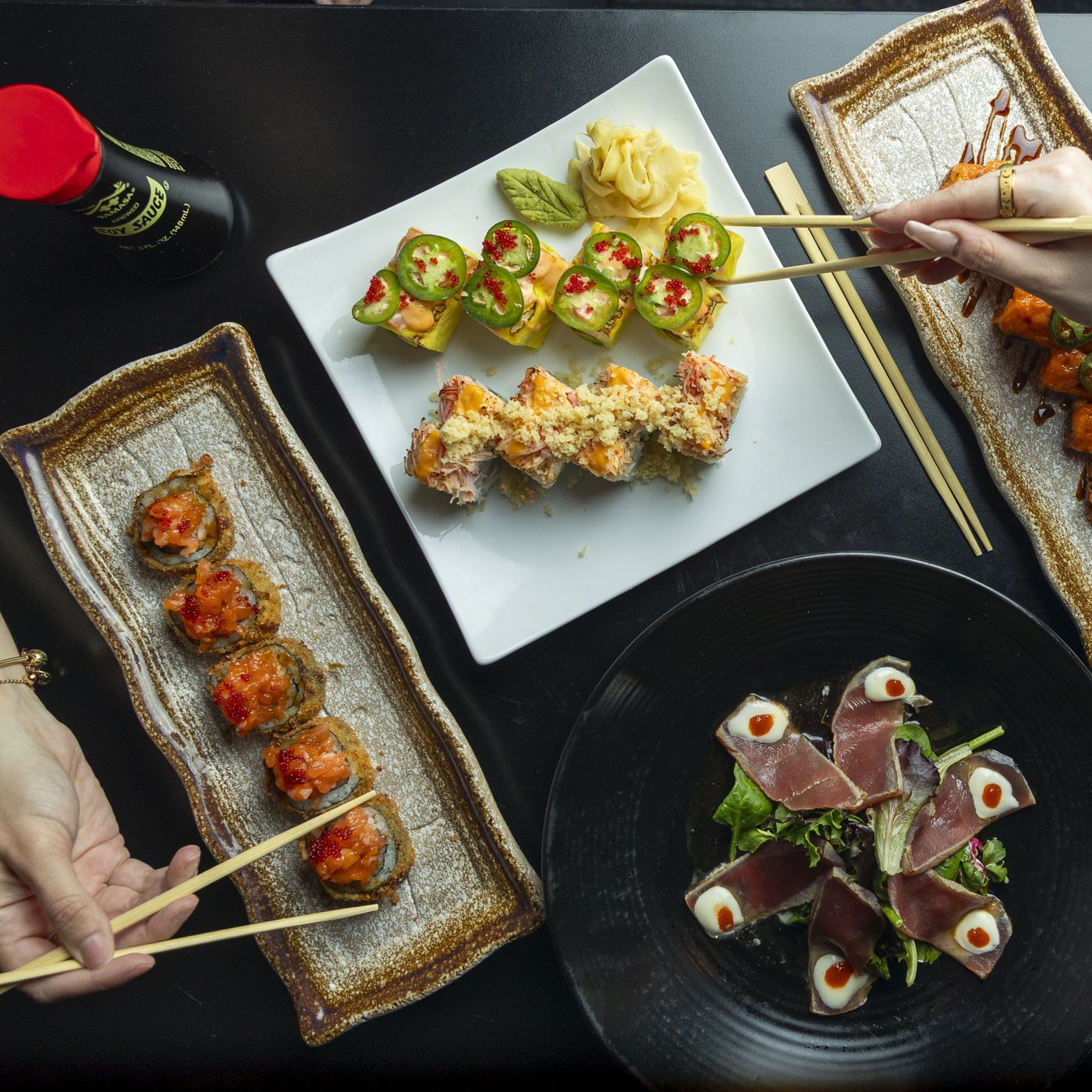
Then photos. Add a handful of good ones and keep adding. Not the dining room at noon with nobody in it. The food, close, lit properly, the way it actually looks. Your best dish photographed well is the single highest return thing on that listing.
Reviews, and replying to them
You want a steady trickle, not a burst. Thirty reviews over a year reads as a real place. Twenty in one week reads as a campaign, to Google and to people.
Ask in person at the table, not by text blast. And reply to all of them, including the bad ones, especially the bad ones. A calm reply to a one star is read by every future customer who scrolls past it, and it does more for you than the complaint does against you.
Then the website, and the PDF menu problem
Your site still matters, mainly for two things: being fast on a phone and saying in plain text what you serve and where you are.
Which brings us to the PDF menu. If your menu is a PDF, a search engine struggles to read it and a guest on a phone has to pinch and drag around a page built for paper. It is one of the most common problems we find, and one of the easiest to fix. Put the menu on the page as real text. Keep the PDF for printing if you like it.
Same for your address, phone and hours. They should appear as text on the site, and match your Google listing exactly, down to whether you write Street or St. That consistency is boring and it matters.
What to do this week
Thirty minutes, in this order. Fix your hours. Set the right category. Add five good photos. Reply to every review you have ignored. Open your menu on a phone and ask yourself whether you would order from it.
Do that before you spend a dollar on ads. There is no point paying to be found if being found is where it falls apart.
Next: How to get your restaurant found by AI and voice search